
by Queener Law | Dec 17, 2014 | Auto Accident, Tennessee
Devastating motor vehicle accidents claim the lives of thousands of Americans every year. For young children, however, car accidents continue to be the number one cause of death, according to the Centers for Disease Control and Prevention. Tennessee children who are traveling in a vehicle, walking, getting off of the bus or waiting at the bus stop are in danger of becoming victims of devastating car accidents.
The facts
According to the National Highway Traffic Safety Administration, 1,363 children under the age of 15 years old were killed in motor vehicle accidents nationwide in 2012. That same year, Tennessee lost 29 children in tragic vehicle accidents. Sadly, many of these deaths could have been prevented. Driver distraction is one key contributor to auto accidents resulting in child death or serious injury. Parents who are negligent in securing their child’s car seat into the vehicle are another major contributor to the high rate of children killed in motor vehicle accidents in the country.
Safety restraints
When car seats are used properly, they can reduce the risk of injury and death by 71 percent for infants under the age of one, and by 54 percent for toddlers between the ages of one and four. Children from four to eight years old are 45 percent less likely to be injured or killed in a car accident when they use a booster seat, and older children reduce their risk by half when they wear a seat belt.
A study conducted by the CDC found that during the course of one year, more than 618,000 kids twelve years old and younger rode in a vehicle while they were completely unrestrained on at least several occasions. Some children who were involved in a car accident had been placed in a booster or car seat that was not secured in the vehicle properly.
This was the case in a recent Wilson County car accident. According to WKRN News, two children were rushed to the hospital and one had to undergo a surgical procedure after the car they were traveling in flew off of the road and went airborne after hitting a driveway. While the vehicle was in the air, it collided with a tree. Although both children were in car seats, their seats were not actually fastened into the vehicle. The 5-year-old and three month baby were fortunate to escape with their lives. The driver faces charges of negligence and failure to exercise due care.
Child pedestrians
Children who are walking to and from school or are simply waiting at a bus stop are also at a higher risk of being hit by a distracted driver. Certain state laws require drivers to reduce their speed in school zones, and stop their vehicle when a bus has released its stop sign in order to protect children. However, their small stature places them at greater risk for being involved in an accident.
In an attempt to keep children safe, many schools across the nation are teaching children to be extremely cautious when traveling to school on foot or on bus. Drivers are also encouraged to ensure their child seats are properly fastened before placing their children in them.

by Queener Law | Dec 16, 2014 | Auto Accident, Tennessee
Driving at night can be daunting for drivers of all ages. Older and younger Tennessee drivers may experience a lack of confidence when traveling through the dark, as it may be harder to determine how far away a vehicle is and how fast it is going. Some drivers may have difficulty handling bright light reflections and glare from oncoming headlights as well. In fact, there are three common factors that can affect a motorist’s ability to drive safely at night and avoid an unnecessary car accident or injury.
Low-light conditions
Most everyone has some level of difficulty seeing in low-light conditions. As people age, however, changes are more likely to occur. According to Harvard Health Publications, the eye muscle that adjusts in size in order to control how much light enters the eye loses its strength over time. While these changes may not be as obvious in bright light conditions, night-time drivers are more likely to notice the difference. The number of rods, or cells that are crucial for night vision, that are located in the eye decrease as people get older, and their lens may become cloudy as well. All of these physiological changes can contribute to bad night-time vision.
Decreased reaction time
According to the National Safety Council, vision contributes to at least 90 percent of a driver’s reaction time, which can be impaired in low-light conditions. This visual impairment can lead to decreased reaction time to other drivers’ erratic behavior, people or objects in the road and inclement weather conditions, resulting in a car accident. Distracted motorists who are driving at night pose an even greater risk to other motorists and pedestrians on the road.
Bright lights, reflections and glare
When bright lights are shined directly in a person’s line of sight, the light tends to scatter within the eye causing disability glare, according to the National Highway Traffic Safety Administration. Not only can disability glare decrease the distance that drivers are able to see, but drivers are more likely to react quicker and experience faster recovery times as a result of the bright light.
Young drivers are often inexperienced when it comes to driving in low-light conditions. Unfortunately, this led to a tragic accident involving an SUV with four teenagers and a large tractor trailer, according to WKRN News. Two teenagers were sent to the hospital with life-threatening injuries, while two other teens were pronounced dead at the accident site. The teen driver allegedly paused briefly while making a left-hand turn in front of an approaching tractor trailer. The truck was not able to stop in time and crashed into the vehicle.
Since most people who engage in night-time driving are affected by some degree of glare, limited eyesight or a decreased ability to respond to a situation, they are encouraged to drive cautiously. People should give themselves plenty of time to get where they are going, and avoid distracted driving in order to ensure safe travel.
by Queener Law | Dec 11, 2014 | Auto Accident, DUI, Tennessee
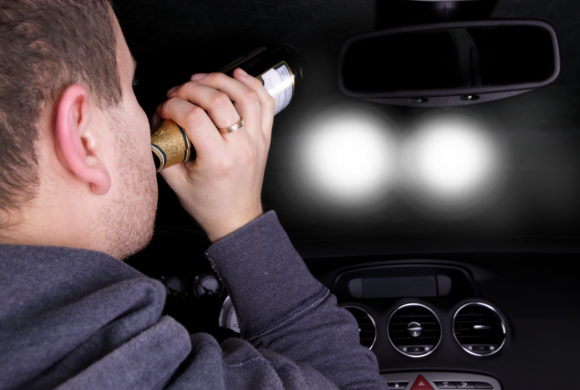
While U.S. drunk driving fatalities increased by 4.6 percent from 2011 to 2012, Tennessee saw a 14 percent increase in the number of people killed by drunk drivers during that time, according to the National Highway Traffic Safety Administration. Mothers Against Drunk Driving reported that 295 people were killed in Tennessee as the result of drunk driving car accidents in 2012, accounting for 29 percent of all motor vehicle accident deaths in the state. In an attempt to lower this high fatality rate, Tennessee lawmakers have enacted legislation to keep drunk drivers off of the road.
What is considered drunk driving?
In Tennessee, people with a blood alcohol content level of 0.08 percent or higher are considered intoxicated, and may be charged with a DUI. People who drive with a BAC of 0.08 percent may have trouble perceiving the distance and speed of other vehicles on the road, according to the NHTSA. They may also experience short-term memory loss, concentration problems and the inability to control their speed.
Drivers with higher levels of intoxication may find it difficult to stay in their lane of traffic, and are less likely to respond to emergency situations. All of the dangerous effects of alcohol intoxication place other motorists in danger of serious injury or death if they become involved in an automobile accident.
What is Tennessee doing about the problem?
MADD reports that approximately one-third of all people who are convicted of drunk driving have been arrested or convicted of a DUI in the past. In response to the significant increase in drunk driving deaths in Tennessee, the state enacted a law requiring all convicted DUI offenders to get an ignition interlock device installed in their vehicles, according to MADD. These cellphone-sized devices are essentially small breath test analyzers that prevent the vehicle from starting if the driver’s blood alcohol content level is above a preset limit.
Ignition interlock devices have proven to be successful in keeping drunk drivers off of the roads in many states, as reported by MADD. Convicted drunk drivers in Tennessee are also required to perform community service, pay fines and court costs and enroll in a court-ordered DUI education course. They will also have their driver’s licenses suspended for a time depending on the specific circumstances of the crime.
By enforcing the new ignition interlock device law, as well as the other strict legal consequences of drunk driving, Tennessee hopes to see a decrease in the number of drunk driving deaths in the future.
by Queener Law | Nov 7, 2014 | Auto Accident, Tennessee
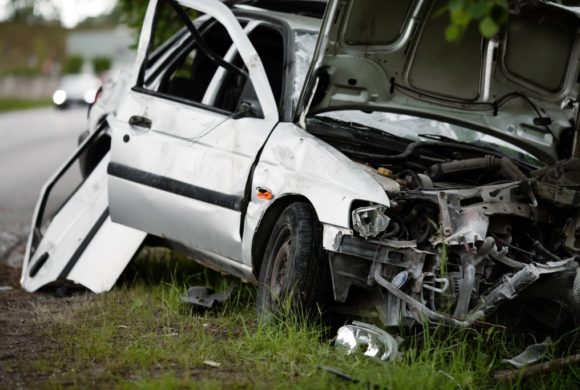
Many residents of Davidson County have either been involved in a traffic accident or know someone who has. According to the Tennessee Department of Safety and Homeland Security, there were approximately 510,934 traffic accidents in Davidson Country from 2004 to 2014. During that 10-year period, there were more than 3.5 million traffic accidents statewide. Although the causes of these traffic accidents range from minor to severe traffic violations, all auto accidents threaten the safety of Tennessee drivers.
Following too close
A driver who fails to keep the proper distance between his or her vehicle and the car in front of them may end up rear-ending the vehicle should it need to stop unexpectedly. There were over 330,432 motor vehicle accidents in Tennessee from 2004 to 2014 that were caused by people who were following improperly. Whether a driver is following too closely intentionally or as a result of driver distraction, doing so will increase the likelihood that an auto accident will occur.
Failure to yield
The second most common cause of traffic accidents in Tennessee, as reported by the Department of Safety and Homeland Security, stems from failure to yield to another vehicle’s right of way. This usually occurs when a driver turns in front of an approaching motorcycle or vehicle, causing a collision. These types of accidents can be particularly dangerous, as they often involve vehicles that are traveling at high rates of speed.
According to the Leaf-Chronicle, a Dover man is facing charges of failing to yield resulting in death or injury, vehicular assault and vehicular homicide. The man made a left-hand turn, cutting off an oncoming motorcycle and causing a catastrophic collision. The passenger in the man’s vehicle was seriously injured and the motorcyclist was killed in the accident.
Failure to stay in lane
When a driver is intoxicated, drowsy or distracted and fails to stay in their lane of traffic, they may unintentionally cause an accident. Approximately 22,833 Tennessee residents did just that in 2013, making it the third most common type of traffic accident in the state. Accidents caused by vehicles running off of the road completely are also included in this statistic. National and state campaigns designed to warn motorists about the dangers of impaired driving may have made an impact on motorists in the state, as only 14,734 accidents have involved failure to stay within one’s lane of traffic so far this year.
Other significant causes of traffic accidents
Although speeding, careless driving, improper lane changing, failure to obey traffic signals and inattentive driving did not make the top three list, they all caused a significant number of Tennessee traffic accidents. Obeying these traffic rules on a regular basis may help to save a life.
by Queener Law | Nov 6, 2014 | Auto Accident, Brain Injury, Colorado, Kentucky, Tennessee
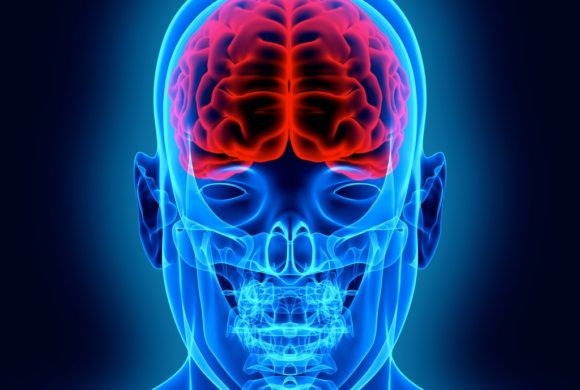
Over 2.36 million people were injured in car accidents in 2012, according to the National Highway Traffic Safety Administration. While some car accident victims received only minor injuries, others suffered from traumatic brain injuries that will affect them for the rest of their lives. The Centers for Disease Control and Prevention found that car accidents were responsible for causing 14 percent of traumatic brain injuries in the United States from 2006 to 2010, making it the third leading cause of TBI.
In a highly publicized New Jersey truck accident, comedian Tracy Morgan received serious brain injuries when his limousine was rear-ended by a negligent truck driver. According to People Magazine, Morgan has been trying to recover from his injuries for the past four months, and continues to undergo vocational and physical therapy for his serious injuries. Morgan still uses a wheelchair and is having difficulties with speech and mental cognition.
Signs of a brain injury
Otherwise referred to as whiplash in its milder form, brain injuries may occur when people experience a sudden jolt or blow to the head, just like they would in a traffic accident. The National Institute of Health indicates that the symptoms of traumatic brain injuries range from mild to severe and include the following:
- Headaches
- Seizures
- Weakness in the arms and legs
- Confusion
- Loss of coordination
Additionally, people suffering a brain injury may experience a loss of consciousness, trouble concentrating and memory loss. Changes in a person’s auditory and visual functioning, as well as drastic changes in their mood or behavior are also possible symptoms.
Long-term effects
According to a review published in the Acta Pharmacologica Sinica in 2013, the damage sustained from a traumatic brain injury can be progressive. This means some people may not only suffer from the initial damage caused by the blow they received, but also from secondary injuries. Traumaticbraininjury.com states that secondary brain injuries include brain swelling, bleeding inside the skull, infection within the skull, increased fluid in the skull, increased pressure in the skull and damage caused by a lack of oxygen.
Minor and serious brain injuries can lead to permanent damage and even cause problems years after the initial event. Studies have shown that people who have suffered brain injury are at a higher risk of suffering a stroke and that brain injury may even play a role in dementia and Alzheimer’s. Often victims of brain injuries must undergo physical, mental and psychological therapy, and there is no guarantee that they may fully recover from their serious injuries. People who have been injured in a car accident should meet with an attorney who can help them estimate their long-term needs and determine an appropriate amount of compensation.
by Queener Law | Nov 5, 2014 | Auto Accident, Colorado, Kentucky, Tennessee
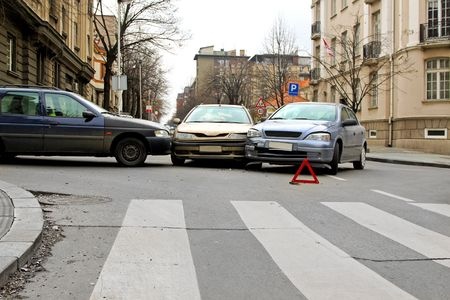
Although talking and texting on a cellphone while driving is considered one of the most hazardous driver distractions, there are other distractive behaviors that can result in devastating car accidents as well. Distracted driving auto accidents are responsible for killing an estimated nine people and injuring at least 1,153 people every day, according to the Centers for Disease Control and Prevention. When drivers avoid engaging in distracted behaviors while driving, they minimize the risk of causing a traumatic accident.
Types of distractions
Distraction.gov defines distracted driving as any type of activity that diverts a motorist’s attention off of the primary task of driving. The CDC classifies distraction for drivers into three categories. These include:
- Cognitive distractions encourage drivers to take their focus off of the road. With some types of cognitive distractions, motorists may not be aware that their focus and concentration is compromised. Not only do hands free cellular devices fall under this category of distraction, voice-activated technology and talking to other passengers in the vehicle can also be distractive.
- Visual distractions require drivers to remove their eyes from the road, even if it is for a few seconds. Looking away to change the radio station or program a navigation device can be extremely dangerous. According to distraction.gov, drivers who remove their eyes from the road for five seconds while going 55 miles per hour will drive the length of a football field before they return their eyes to the road.
- Manual distractions involve drivers taking their hands off of the steering wheel and include reaching to attend to passengers in the back seat or picking up an item off of the floor.
While all driver distractions pose a significant threat to motorists on the roadways, there are some distractions that are considered more dangerous than others. Texting and talking on hand-held cellphones involve all three types of distractions, making them especially deadly. Distraction.gov lists additional distractive behaviors, including eating, drinking, reading, grooming, watching videos and switching CDs or DVDs in the vehicle’s entertainment system.
Who is at risk?
Although distracted driving endangers everyone on the road, the CDC reports that young drivers and cellphones are a fatal combination. Novice motorists, who are under the age of 20 years old are often inexperienced and are more likely to have problems handling two complex tasks at once. As a result, they are more likely to be involved in fatal car accidents or accidents resulting in severe injuries.