
by Amy Foster | Aug 19, 2026 | Uncategorized
How Your Credit Score Can Affect Car Insurance Rates—and How to Protect Yourself From Underinsured Drivers
For many drivers, the cost of car insurance is becoming a major part of the household budget. Some people may not realize that their credit history can affect what they pay for auto insurance.
In Kentucky, insurers may use credit-based insurance information as one factor in underwriting and rating automobile insurance. A credit-based insurance score is different from the traditional credit score used by lenders, but it is based in part on information contained in your credit history.
That matters because when insurance becomes more expensive, some drivers may respond by purchasing lower coverage limits or eliminating optional protections simply because they cannot afford a more comprehensive policy.
Unfortunately, that can leave drivers financially vulnerable when they are involved in a serious car wreck—particularly when the person who caused the crash does not have enough insurance to cover the resulting damages.
How Does Your Credit Score Affect Your Car Insurance?
A credit-based insurance score helps insurers evaluate the likelihood of future insurance losses. It is not the same thing as the traditional credit score a bank might use when deciding whether to approve a loan.
According to the National Association of Insurance Commissioners (NAIC), insurance companies may consider factors such as payment history, outstanding debt, length of credit history, new credit and credit mix when developing a credit-based insurance score. Insurers also consider many other factors, including driving history, claims history, location, vehicle type, mileage and the coverage and deductibles you select.
In Kentucky, insurance risk scores are permitted, although Kentucky law prohibits an auto insurer from refusing to issue, renew, or cancel a policy solely because of a person’s credit history.
As a result, two drivers with similar vehicles and driving records can receive different insurance quotes.
Why Higher Insurance Rates Can Create a Bigger Problem
The concern is not simply that one driver pays more than another.
For families already struggling with rising costs, higher insurance premiums can force difficult decisions.
A driver may choose:
- Lower bodily injury liability limits
- A higher deductible
- Less optional coverage
- Lower uninsured or underinsured motorist limits
- Fewer vehicles or drivers insured under the policy
- Or, in extreme situations, allow coverage to lapse
The NAIC recognizes that choosing lower coverage or higher deductibles can reduce premiums, but those choices also mean the policyholder is accepting more financial risk.
That creates a troubling cycle: the more expensive insurance becomes, the more tempting it can be to purchase only the minimum coverage necessary to legally drive.
And Kentucky’s minimum liability requirements may not be enough to fully compensate someone who suffers serious injuries.
Kentucky’s Minimum Auto Insurance May Not Be Enough
Kentucky law generally requires minimum liability coverage of $25,000 per person, $50,000 per accident for bodily injury, and $25,000 for property damage, commonly called 25/50/25 coverage. Kentucky also permits a $60,000 single-limit policy.
While those limits may satisfy Kentucky’s legal requirements, they can be quickly exhausted after a serious collision.
Consider what can happen after a major wreck.
You could have:
- Emergency medical treatment
- Hospital bills
- Follow-up appointments
- Physical therapy
- Prescription expenses
- Lost wages
- Future medical treatment
- Permanent injuries
- Reduced ability to work
- Pain and suffering
- Property damage
A $25,000 liability limit can disappear quickly when medical treatment is extensive.
Another problem is that the at-fault driver’s insurance limits are generally the maximum amount the driver’s insurance company will pay under that liability coverage.
What happens when your damages are worth significantly more than the insurance available from the person who caused the wreck?
That is where your own insurance coverage can become extremely important.
Protect Yourself From Underinsured Drivers
One of the most important protections you can discuss with your insurance agent is underinsured motorist coverage, commonly called UIM coverage.
Underinsured motorist coverage can provide protection when another driver is responsible for your injuries but does not have enough liability insurance to fully compensate you.
Kentucky law provides for underinsured motorist coverage and requires insurers to make UIM coverage available to insureds upon request, subject to the policy’s terms and conditions.
For example, imagine that you are seriously injured in a collision caused by another driver.
The other driver has only $25,000 in bodily injury coverage, but your damages are substantially greater than that amount.
Without adequate additional protection, you may face a significant gap between the value of your claim and the insurance money available from the at-fault driver.
Your own UIM coverage may help protect you from that gap, depending on the specific language and limits of your policy.
Uninsured Motorist Coverage Matters Too
Underinsured drivers are not the only concern.
Some drivers may have no insurance at all, even though Kentucky law requires motorists to maintain the required minimum insurance coverage.
Uninsured motorist coverage can provide another layer of protection when the at-fault driver does not have applicable liability insurance.
When reviewing your policy, it is important to understand both uninsured motorist (UM) and underinsured motorist (UIM) coverage and the limits you actually carry.
Do not assume that having “full coverage” automatically means you have enough protection.
“Full coverage” is not a precise legal term that tells you how much liability, uninsured motorist, underinsured motorist, medical or other coverage you actually have.
Your declarations page matters more than the phrase “full coverage.”
How Much Insurance Should You Carry?
No single amount of coverage is right for every driver.
Your insurance needs may depend on factors such as your income, assets, vehicle, family situation, medical needs, driving habits, and the amount of financial risk you are willing and able to assume.
However, one important question is:
If another driver seriously injured you tomorrow, would your current insurance policy provide meaningful protection if that driver had little or no insurance?
That is a question worth asking before a wreck—not after one.
When talking with your insurance agent, consider asking:
- What are my bodily injury liability limits?
- What are my uninsured motorist limits?
- What are my underinsured motorist limits?
- Can I increase my UIM coverage?
- Do my UM/UIM limits provide the protection I think they do?
- What deductibles do I have?
- What coverage am I giving up to save money?
- Does my policy have any exclusions or limitations I should understand?
A few minutes reviewing your policy could make a significant difference if you are ever seriously injured.
Check Your Credit Report for Errors
If your insurer uses credit-based insurance information, errors in your credit report could potentially affect your insurance rating.
The NAIC recommends reviewing your credit reports and disputing inaccurate information. Consumers can obtain their credit reports through AnnualCreditReport.com.
You can also ask your insurance company whether credit-based insurance information was used when determining your premium and what options may be available if your credit circumstances change.
Some insurers may reconsider premiums after certain extraordinary circumstances, although the availability of such programs depends on the insurer and applicable state law.
Don’t Let the Cost of Insurance Leave You Unprotected
Everyone wants to save money on car insurance. That is understandable.
But the cheapest policy isn’t necessarily the one that provides the best protection.
Reducing your premium by lowering coverage may save money today, but it could leave you responsible for substantial losses after a serious wreck.
This is especially important when you consider how many drivers may carry only the minimum insurance required by law.
You cannot control how much insurance the other driver carries. But you can take steps to protect yourself from the financial consequences of an uninsured or underinsured driver.
Review your policy. Know your limits. Ask about UM and UIM coverage. And make sure you understand what you are actually paying for.
What If You Have Already Been Injured by an Underinsured Driver?
If you have been injured in a car wreck, do not assume that the other driver’s insurance policy is the end of the story.
There may be additional insurance coverage available under your own policy or other applicable policies, depending on the circumstances of the collision and the language of the insurance contracts involved.
Kentucky law also has specific rules about settlements with an underinsured motorist and preserving potential UIM claims. For example, Kentucky law provides procedures for notifying the underinsured motorist insurer before certain settlements are finalized.
Because insurance coverage issues can become complicated quickly, it is important to understand your rights before signing a release or accepting a settlement.
Queener Law Can Help After a Kentucky Car Wreck
At Queener Law, we understand that dealing with insurance companies after a car wreck can be overwhelming—especially when you are injured and trying to determine whether there is enough insurance coverage to compensate you for your losses.
If you have been injured because of another driver’s negligence, our team can investigate the crash, identify the available insurance coverage, and help you understand your legal options.
Don’t assume the first insurance offer is all you are entitled to receive.
If you or a loved one has been injured in a car wreck in Kentucky, contact Queener Law Injury Law for a consultation.
Queener Law Injury Law
Your Injury. Your Rights. Your Fight.

by Amy Foster | Jun 22, 2026 | Kentucky, Uncategorized
Win Two Weekend Passes to the Master Musicians Festival in Somerset, KY
Enter the Queener Law Master Musicians Festival Giveaway
Queener Law is proud to sponsor the Master Musicians Festival in Somerset, Kentucky, and we’re celebrating by giving five lucky winners the opportunity to attend this incredible event.
As a firm with our main office located in the heart of Nashville, Music City USA, supporting music, community events, and memorable experiences is something we’re passionate about. That’s why we’re excited to give away five pairs of Weekend Passes to one of the region’s premier music festivals.
The Prize
Five (5) winners will each receive:
🎟️ Two (2) Weekend Passes to the Master Musicians Festival in Somerset, Kentucky
Each winner will receive a pair of passes, making it easy to bring a friend or family member along for an unforgettable weekend of live music and entertainment.
How to Enter
Complete the entry form below before the giveaway closes.
Entry Deadline: June 30, 2026, at 11:59 PM
Winners will be randomly selected and contacted using the information provided on the entry form.
Why We’re Excited
The Master Musicians Festival has become a beloved tradition, bringing together talented artists and music fans from across the region. As a proud sponsor, Queener Law is honored to support an event that celebrates music, culture, and community.
We look forward to seeing festival goers enjoy an amazing weekend in Somerset.
Official Giveaway Rules
- No purchase necessary to enter or win.
- Must be 18 years of age or older to enter.
- One entry per person.
- Giveaway ends June 30, 2026, at 11:59 PM.
- Five (5) winners will be selected at random.
- Each winner will receive two (2) Weekend Passes to the Master Musicians Festival.
- Winners will be notified using the contact information provided during entry.
- Prize is non-transferable and has no cash value.
- Employees of Queener Law and their immediate family members are not eligible.
- By entering, participants agree to these official rules and to be contacted regarding the giveaway.
- This giveaway is sponsored by Queener Law and is not sponsored, endorsed, administered by, or associated with Facebook, Instagram, or the Master Musicians Festival.
Enter Today
Don’t miss your chance to win a pair of Weekend Passes and experience one of Kentucky’s most anticipated music festivals.
Enter now before June 30th for your chance to be one of five lucky winners!
Queener Law
Proud Sponsor of the Master Musicians Festival
Nashville, Tennessee | Serving clients throughout Tennessee and Kentucky

by Amy Foster | May 21, 2026 | Auto Accident, Bicycle Accident, Brain Injury, Bus Accident, Kentucky, Motorcycle Accident, Pedestrian Accident, Personal Injury, Premises Liability, Product Liability, Slip and Fall, Trucking Accident, Uncategorized
AI vs. Hiring a Lawyer After a Car Wreck: What Accident Victims Need to Know
The Rise of AI in Legal Help
Artificial intelligence is changing the way people search for information online, including legal guidance after a car accident. Many accident victims now turn to AI-powered tools to ask questions about insurance claims, medical bills, liability, and settlement values. These tools can provide quick answers and general legal information within seconds.
While AI technology can be useful for basic research, it cannot replace the experience, strategy, and advocacy of a skilled car accident lawyer. After a serious wreck, your financial future may depend on how your claim is handled. Insurance companies are focused on minimizing payouts, and relying solely on automated legal information could leave you at a disadvantage.
At Queener Law, clients receive personalized legal representation designed to protect their rights and pursue maximum compensation after an accident.
What AI Can Help With After a Car Accident
AI legal tools can provide helpful information immediately after a crash. For someone unsure about the claims process, these platforms may offer a convenient starting point.
AI Can Help With:
- Explaining common insurance terms
- Organizing accident-related documents
- Providing general legal information
- Answering basic questions about car wreck claims
- Offering checklists for accident victims
- Assisting with scheduling or reminders
For minor situations, AI may help people better understand the legal process. The speed and accessibility of AI technology make it appealing to individuals searching for quick answers.
However, car accident claims are rarely simple. Serious injuries, disputed liability, and insurance negotiations often require far more than automated responses.
The Limitations of AI Legal Advice
AI tools are not licensed attorneys. They cannot provide personalized legal representation or make strategic decisions based on the unique facts of your case.
AI Cannot:
- Negotiate directly with insurance companies
- Investigate crash scenes or gather evidence
- Interview witnesses
- Calculate future medical expenses accurately
- Assess pain and suffering damages
- File lawsuits in court
- Represent you during litigation
- Protect you from insurance company tactics
One of the biggest dangers of relying solely on AI legal advice is that important details may be overlooked. Every car wreck claim is different, and insurance companies often look for opportunities to reduce settlements.
For example, an AI tool may provide general information about compensation, but it cannot fully evaluate how a traumatic brain injury, spinal injury, or long-term disability will affect your future earning capacity and quality of life.
When large medical expenses and lost wages are involved, having an experienced personal injury attorney can make a significant difference in the outcome of your case.
Why Hiring a Car Accident Lawyer Matters
Hiring an experienced car accident lawyer gives accident victims an advocate who understands how to build strong claims and fight for fair compensation.
At Queener Law, legal representation goes beyond paperwork and legal information. The firm works to protect clients throughout every stage of the process.
A Lawyer Investigates the Accident
A personal injury attorney gathers evidence such as:
- Police reports
- Medical records
- Witness statements
- Traffic camera footage
- Accident reconstruction analysis
Strong evidence is critical when proving fault and maximizing compensation.
A Lawyer Handles Insurance Negotiations
Insurance adjusters are trained to minimize payouts. Without legal representation, accident victims may accept settlements far below what their case is worth.
An experienced insurance settlement lawyer understands how to negotiate aggressively and push back against unfair tactics.
A Lawyer Calculates the Full Value of Your Claim
Many accident victims underestimate the long-term financial impact of injuries. A skilled attorney evaluates:
- Current medical expenses
- Future treatment costs
- Lost wages
- Reduced earning capacity
- Pain and suffering
- Emotional distress
This helps ensure clients pursue the full accident compensation they deserve.
A Lawyer Can File a Lawsuit if Necessary
If negotiations fail, an attorney can take the case to court. AI cannot represent clients before a judge or jury. Having a trial-ready legal team can significantly strengthen your position during settlement discussions.
AI vs. Lawyer Comparison
| Feature |
AI Legal Tools |
Experienced Car Accident Lawyer |
| General Legal Information |
Yes |
Yes |
| Personalized Legal Advice |
No |
Yes |
| Insurance Negotiation |
No |
Yes |
| Courtroom Representation |
No |
Yes |
| Case Investigation |
Limited |
Yes |
| Emotional Support |
No |
Yes |
| Strategic Legal Planning |
No |
Yes |
| Maximizing Compensation |
Limited |
Yes |
| Evaluating Long-Term Damages |
Limited |
Yes |
| Protecting Client Rights |
No |
Yes |
How Queener Law Helps Accident Victims
After a car wreck, victims often feel overwhelmed by medical bills, insurance calls, and uncertainty about the future. Queener Law helps clients navigate these challenges with experienced and compassionate legal representation.
The firm is committed to helping injury victims recover compensation for:
- Medical expenses
- Lost wages
- Pain and suffering
- Property damage
- Long-term rehabilitation costs
Why Clients Choose Queener Law
- Free consultations
- Personalized legal guidance
- Aggressive representation against insurance companies
- Strong communication throughout the case
- Dedicated support for injured victims and families
Every accident case is unique, and Queener Law works closely with clients to build strategies tailored to their specific needs and goals.
Frequently Asked Questions
Can AI replace a car accident lawyer?
No. AI can provide general legal information, but it cannot represent clients, negotiate settlements, investigate accidents, or appear in court. Serious injury claims typically require an experienced attorney.
Should I trust AI legal advice after a wreck?
AI tools can be useful for basic information, but they should not replace professional legal counsel. Relying only on AI after a serious accident could put your compensation at risk.
When should I hire a personal injury attorney?
You should contact a personal injury attorney as soon as possible after a car accident, especially if injuries, disputed liability, or insurance complications are involved.
How much does a car accident lawyer cost?
Most car accident lawyers, including Queener Law, work on a contingency fee basis. This means clients typically pay nothing upfront, and attorney fees are only collected if compensation is recovered.
Final Thoughts
AI technology is transforming many industries, including the legal field. While AI tools may help answer simple questions after a crash, they cannot replace the experience, judgment, and advocacy of a skilled car accident lawyer.
When your health, finances, and future are on the line, personalized legal representation matters.
If you or a loved one has been injured in a car wreck, contact Queener Law today for a free consultation. An experienced legal team can help you understand your rights, deal with insurance companies, and pursue the compensation you deserve.
by Amy Foster | Feb 24, 2026 | Brain Injury, Colorado, Kentucky, Personal Injury, Tennessee, Trucking Accident, Uncategorized
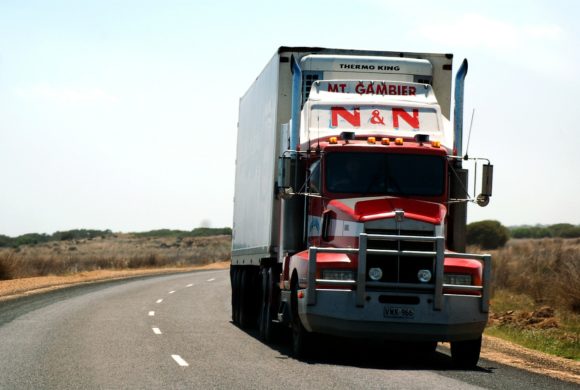
Big Truck Safety: What Every Driver Needs to Know — and Why Experience Matters After a Crash
Every day, thousands of commercial trucks travel our highways delivering the goods that keep our economy moving. While these vehicles are essential, they also present unique safety risks. Due to their size, weight, and limited maneuverability, collisions involving large trucks often result in severe injuries and life-altering consequences.
Understanding how to safely share the road with commercial trucks can help prevent accidents. And when crashes do occur, having a law firm experienced in national trucking laws can make all the difference.
Understanding the Dangers of Large Trucks
A fully loaded tractor-trailer can weigh up to 80,000 pounds — significantly more than the average passenger vehicle. This size difference creates several hazards:
1. Large Blind Spots (“No-Zones”)
Commercial trucks have substantial blind spots on all four sides:
-
Directly in front of the cab
-
Directly behind the trailer
-
Along both sides, especially the right side
If you cannot see the truck driver in their side mirror, they likely cannot see you. Lingering in these blind spots increases the risk of a sideswipe or merging collision.
2. Longer Stopping Distances
Trucks require much more distance to stop than passenger vehicles. Cutting closely in front of a truck can leave the driver with little time or space to brake safely.
3. Wide Turns
Tractor-trailers often swing wide to the left before turning right. Drivers who attempt to squeeze into the open space may become trapped or crushed.
4. Driver Fatigue & Regulatory Violations
While federal regulations limit how long truck drivers can operate without rest, violations still occur. Fatigue, distracted driving, improper maintenance, and overloaded trailers all contribute to serious crashes.
Safety Tips for Sharing the Road
To reduce your risk:
-
Avoid driving in a truck’s blind spots.
-
Pass quickly and safely — don’t linger beside the trailer.
-
Maintain a safe following distance.
-
Never cut directly in front of a truck.
-
Anticipate wide turns at intersections.
-
Stay alert and minimize distractions.
Even when you take every precaution, however, you cannot control the actions of a negligent trucking company or driver.
Why Truck Accident Cases Are Different
Truck accident cases are far more complex than typical car crashes. They often involve:
-
Federal Motor Carrier Safety Administration (FMCSA) regulations
-
Hours-of-service log requirements
-
Electronic logging devices (ELDs)
-
Maintenance and inspection records
-
Black box data
-
Corporate trucking companies and insurers
-
Multiple potentially liable parties
These cases require in-depth knowledge of national trucking laws and regulations — not just general personal injury experience.
Queener Law: Experienced in National Trucking Laws
At Queener Law, truck accident litigation is not just another case type — it is an area of focused experience.
Our team understands the federal and state regulations governing commercial motor carriers. We know how to:
-
Investigate trucking company compliance
-
Preserve and analyze critical evidence
-
Identify violations of FMCSA safety standards
-
Hold negligent drivers and trucking companies accountable
-
Navigate complex multi-party liability claims
Trucking companies and their insurers move quickly after a crash to protect their interests. You deserve a legal team that moves just as quickly — and understands the regulatory framework inside and out.
Protecting Your Rights After a Truck Crash
If you or a loved one has been injured in a big truck accident, the stakes are high. Medical expenses, lost wages, long-term rehabilitation, and emotional trauma can be overwhelming.
You do not have to face it alone.
Queener Law is committed to protecting injury victims and pursuing the full compensation they deserve. With experience in national trucking laws and complex commercial vehicle litigation, our firm stands ready to advocate for you.
If you’ve been injured in a big truck wreck, contact Queener Law today to discuss your case and learn how we can help you move forward with strength and confidence.
FQA’S
FAQ 1:
What should I do after a truck accident?
Seek medical attention immediately, report the accident, avoid speaking to the trucking company’s insurer, and contact an experienced truck accident attorney.
FAQ 2:
Are truck accident cases different from car accidents?
Yes. Truck accident cases involve federal trucking regulations, multiple liable parties, and complex evidence such as driver logs and black box data.
FAQ 3:
What are FMCSA regulations?
The Federal Motor Carrier Safety Administration (FMCSA) sets national safety rules governing commercial trucking operations, driver hours, maintenance, and cargo limits.

by Amy Foster | Nov 24, 2025 | Auto Accident, Bicycle Accident, Brain Injury, Colorado, Kentucky, Motorcycle Accident, Pedestrian Accident, Personal Injury, Tennessee, Trucking Accident, Uncategorized
Why You Should Never Settle an Injury Case Without Legal Advice
When you’re injured, overwhelmed with medical bills, or missing work, a quick settlement offer from the insurance company may feel like the relief you need. But settling an injury case without legal advice is one of the biggest mistakes an accident victim can make.
Insurance companies push fast, cheap settlements because it protects their profits, not your future. Once you sign, your case is over—no matter what complications arise later.
Before you agree to anything, speak with a personal injury attorney at Queener Law. Our team protects your rights, your compensation, and your future.
Why Insurance Companies Want You to Settle Without a Lawyer
Insurance adjusters know that unrepresented victims rarely know the true value of their claims. That’s why they often rush in with a “take it now” offer before you’ve seen specialists, before your symptoms develop, and before you understand the long-term impact of your injuries.
Their early offers almost never account for:
To learn more about how insurers try to undervalue injury claims, read our recent blog, Six Red Flags the Insurance Company is Undervaluing Your Injury Claim.
At Queener Law, we know every tactic used to lowball victims—and we stop those tactics immediately.
Injury Cases Are More Complicated Than They Look
Even cases that seem “simple”—like rear-end crashes or slip-and-falls—often involve complicated liability issues. In Tennessee and Kentucky, comparative fault rules can reduce or even eliminate your compensation if the insurance company convinces investigators you were partly at fault.
Liability can depend on:
Queener Law performs independent investigations, collects evidence, and locates every responsible party—so insurance companies can’t twist the story.
Why Calculating Damages Requires Legal Expertise
Your damages are much more than your ER bill. Long-term injuries can affect your ability to work, your quality of life, your mental health, and your financial stability.
Queener Law works with:
This team ensures your demand reflects the true long-term cost of your injuries—not the “quick check” the insurance company hopes you’ll accept.
Why Settling Too Early Can Cost You for Life
Some injuries—such as nerve damage, soft-tissue injuries, concussions, and PTSD—don’t reveal their full impact immediately. If you settle early, you give up the right to seek additional compensation later.
Once you sign a release of liability, even if your injury worsens…
❌ You cannot reopen your claim
❌ You cannot request additional medical coverage
❌ You cannot pursue the insurance company again
This is the trap insurance companies rely on most.
Why Hiring a Lawyer Costs You Nothing Upfront
Many victims fear they “can’t afford a lawyer.” But at Queener Law, you pay:
$0 upfront — and $0 unless we win.
This is called a contingency fee, and it ensures your attorney is fully aligned with your success.
Research shows that injury victims represented by attorneys recover significantly higher settlements, even after legal fees.
Learn more about how we work on our About Us page.
When Mediation or Trial Becomes Necessary
If the insurance company refuses to offer fair compensation, Queener Law is prepared to take your case to mediation or trial. Our litigation team’s involvement alone often forces insurers to increase their offers.
Common Settlement Traps to Avoid
Insurance companies often pressure victims into:
-
Giving recorded statements
-
Signing documents they don’t understand
-
Delaying treatment (so they can argue you weren’t hurt)
-
Posting on social media (and using it against you)
-
Accepting fault in casual conversations
Your lawyer shields you from every one of these traps.
Protect Your Future Before You Make a Permanent Decision
An injury affects your health, your family, your finances, and your long-term stability. Settling early may give temporary relief—but it can cause lifelong financial stress.
Before you sign anything, get the legal guidance you deserve.
Don’t Settle for Less Than Your Future Is Worth
Insurance companies move fast to protect their profits.
At Queener Law, we move faster to protect

Unrecognizable man with broken arm filling form for insurance
.
📞 Call today for a free consultation
💼 You pay nothing unless we win
🌐 Serving injury victims across Tennessee and Kentucky

by Amy Foster | May 14, 2025 | Bicycle Accident, Brain Injury, Kentucky, Motorcycle Accident, Pedestrian Accident, Personal Injury, Uncategorized
Many Kentuckians enjoy the thrill of riding in the bed of a pickup truck, especially during warm weather. However, before hopping in the back, it’s essential to understand the legalities. Kentucky law has specific rules regarding riding in the bed of a truck, and violating them can lead to serious consequences.
Kentucky Law on People Riding in the Bed of a Truck
In Kentucky, the legality of riding in the bed of a truck depends on several factors, including the rider’s age, the location, and the circumstances. Generally, Kentucky law allows adults to ride in the bed of a truck, but there are specific regulations for minors and requirements for safe transportation.
Under Kentucky law, minors riding in the bed of a truck is legal in some situations. It is allowed during a parade or when the vehicle is part of a special event or used for emergency purposes. It is also legal when transporting farmworkers from one field to another on farm-to-market roads, ranch-to-market roads, or county roads outside municipalities.
Additionally, riding in the bed is permitted during a hayride that the local governing body or law enforcement agency has permitted.
Kentucky Law on Pets Riding in the Bed of a Truck
In Kentucky, there are no specific state laws that prohibit dogs from riding in the bed of a pickup truck. However, allowing a dog to do so without proper restraint can raise concerns under the state’s animal cruelty statutes, which prohibit transporting animals in a cruel or inhumane manner.
While Kentucky doesn’t have explicit laws mandating restraints for dogs in truck beds, it’s important to consider safety recommendations. Unrestrained dogs are at significant risk of injury from falls, sudden stops, or accidents. To ensure their safety and to avoid potential legal issues, it’s advisable to use a secured crate or a cross-tethering system when transporting dogs in the bed of a pickup truck.
Additionally, some local ordinances may have specific regulations regarding this practice. Therefore, it’s prudent to check with local authorities to ensure compliance with any municipal laws.
Legal Considerations for Adults Riding in the Bed of a Truck
Kentucky law is more lenient for adults. It is generally legal for adults to ride in a truck’s bed, but the truck must be equipped to carry passengers safely. Passengers in the truck bed must be seated or standing securely, and the truck should have a bed designed to hold passengers safely.
Even though it’s legal for adults, safety is a critical concern. Passengers in the bed of a truck are vulnerable to being ejected, especially in the event of a collision or sudden maneuver. Kentucky law requires that the passengers in the truck bed must take precautions to avoid accidents that could lead to serious injury or death. In the event of an accident, you may be liable for the accident and the passenger’s injuries.
Why Safety Matters
Riding in the bed of a truck can be dangerous. The National Highway Traffic Safety Administration (NHTSA) reports that over 500 people are killed each year in the U.S. after being ejected from pickup truck beds. The unrestrained nature of the ride, combined with the lack of protective barriers, increases the risk of serious injury or death in the event of a crash.
Passengers in the truck bed also lack protection from the elements or other vehicles, which can amplify the severity of any accident. Unrestrained passengers are at a significantly higher risk of injury in any collision.
Best Practices for Safety
If you must ride in the bed of a truck, follow these safety tips to minimize risks:
- Consider Avoiding Riding in the Bed: The safest option is to ride inside the truck’s cab. This provides far more protection in the event of a crash.
- Wear a Seatbelt: If you’re in the bed, please make sure that you are seated securely and, if possible, wearing a seatbelt or safety harness.
- Drive Carefully: Drivers should adhere to speed limits, avoid sudden maneuvers, and exercise caution when driving with passengers in the truck bed.
- Use Safety Barriers: Trucks equipped with safety barriers or nets for passengers should use them to prevent ejection.
- Use a Crate For Pets: Consider transporting your pet in a crate or a cross tethering system.
If someone is injured while riding in the bed of your truck, you could be held liable for medical expenses, lost wages, pain and suffering, and other economic damages. In such cases, having legal representation is crucial to navigating the complexities of personal injury claims and potential lawsuits.
Follow Kentucky Laws and Exercise Caution
In Kentucky, riding in the bed of a truck is generally legal for adults, but there are strict laws regarding minors. Kentucky prohibits children under 18 from riding in the bed of a car on public roads to protect them from potentially deadly accidents. While the law permits truck bed rides for adults, safety remains a critical concern. Please ensure the truck is designed to carry passengers safely and follow the necessary precautions to avoid injury.
In summary, while not explicitly illegal statewide, transporting an unrestrained dog in the bed of a pickup truck in Kentucky can pose safety risks and potential legal concerns under animal cruelty provisions.
For more information, please contact an experienced personal injury lawyer like Henry Queener at Queener Law to schedule a free initial consultation today.