Revenge Porn and Non-Consensual Image Sharing: What You Need to Know
Your Private Images Are Yours. Unauthorized Sharing Can Have Serious Consequences.
Few things are more personal than an intimate photograph or video. When someone shares that material without your permission, the consequences can be overwhelming.
Non-consensual sharing of intimate images is commonly referred to as “revenge porn.” A broader and increasingly common term is image-based abuse, which recognizes that this conduct can occur for many reasons and is not limited to former romantic partners.
If someone has shared, threatened to share, or distributed intimate images of you without your consent, you may have legal options.
Queener Law helps individuals understand their rights and evaluate potential legal remedies involving unauthorized intimate images, online harassment, privacy violations, and related conduct.
What Is Image-Based Abuse?
Image-based abuse occurs when someone distributes or threatens to distribute an intimate image or video of another person without that person’s authorization.
The circumstances can vary widely. A former partner may post private photographs after a breakup. Someone may use intimate images as a means of harassment, intimidation, or control. A person may obtain an image through unauthorized access and distribute it online. Increasingly, technology can also be used to create manipulated or artificial images that falsely portray someone in a sexual situation.
Regardless of how it happens, the consequences can be significant.
Unauthorized intimate images can quickly spread through social media, websites, messaging applications, and other digital platforms. Once an image has been copied and redistributed, controlling where it appears can become extremely difficult.
Victims may experience:
Emotional distress
Anxiety or depression
Damage to personal relationships
Damage to professional reputation
Lost income or employment opportunities
Harassment or threats
Financial losses
Fear for personal safety
Ongoing concern that the images will continue to resurface
You should not have to face these consequences alone.
You Did Not Consent to the Distribution
One of the most important distinctions in these cases is the difference between consenting to create or privately share an image and consenting to its distribution.
You may have willingly taken an intimate photograph or video and sent it to someone you trusted.
That does not necessarily mean you authorized that person to share the material with other people or publish it online.
The circumstances surrounding how an image was created or obtained can be important, but the unauthorized distribution itself may give rise to legal remedies depending on the facts and applicable law.
What Should You Do If Someone Shares Your Private Images?
Discovering that intimate images have been shared without your permission can be frightening and confusing. Taking practical steps quickly may help preserve evidence and protect your legal interests.
1. Preserve Evidence
Before contacting the person responsible, preserve as much information as possible.
Take screenshots of:
The images or videos
Websites where the material appears
Social media posts
Usernames and profile information
Messages and threats
URLs and website addresses
Dates and timestamps
Communications with the person responsible
Do not assume that online content will remain available. Posts can be deleted, accounts can disappear, and websites can change.
2. Report the Unauthorized Content
Most major websites and social media platforms have procedures for reporting intimate content shared without permission.
Keep copies of any reports you submit and any responses you receive.
3. Avoid Further Distribution
When preserving evidence, be careful not to unnecessarily forward or repost intimate material. Preserve only what is reasonably necessary to document what happened and discuss the evidence with appropriate professionals.
4. Consider Contacting Law Enforcement
Depending on the circumstances, you may wish to report the conduct to law enforcement, particularly if the situation involves threats, stalking, harassment, extortion, domestic violence, or concerns for your physical safety.
5. Speak With an Attorney
A lawyer can review the specific circumstances and help determine what state and federal laws may apply to your situation.
6. Document Your Damages
Keep records of counseling, medical treatment, lost income, relocation expenses, travel, and other costs associated with the incident.
Documentation may become important if you pursue a civil claim.
Can You Get Unauthorized Images Removed?
In many cases, pursuing removal of unauthorized content should be an immediate priority.
Depending on where the material appears and the circumstances involved, potential strategies may include:
Reporting the content directly to the website or platform
Sending formal removal requests
Sending cease-and-desist correspondence
Requesting removal from social media platforms
Seeking removal or deindexing from search engines
Pursuing applicable copyright or DMCA remedies
Seeking a court order requiring removal or preventing further disclosure
Identifying individuals or entities responsible for continued distribution
The appropriate strategy depends on the specific facts of the case.
An attorney can help evaluate where the content has appeared, who may be responsible, and which legal avenues may be available.
What If Someone Threatens to Release Your Images?
Sometimes the images have not yet been published.
Instead, someone may threaten to release them unless you comply with a demand, provide money, remain in a relationship, or take some other action.
A threat to distribute intimate images should be taken seriously.
Preserve the messages, emails, social media communications, phone records, and other evidence containing the threat. Avoid deleting communications that could later become important evidence.
If you believe you are in immediate danger, contact law enforcement or emergency services.
An attorney can also help you understand what legal remedies may be available based on the specific circumstances.
AI-Generated Images and Deepfakes Create New Risks
Advances in artificial intelligence have created another form of image-based abuse.
Someone can take an ordinary photograph and use artificial intelligence or other technology to create a realistic-looking image or video that falsely portrays the person in a sexually explicit situation.
These manipulated images are sometimes referred to as deepfakes.
The fact that an image is fabricated does not necessarily make the resulting harm any less serious. A realistic fake image can damage someone’s reputation, relationships, employment, and emotional well-being.
Federal law has also developed in response to the growing problem of unauthorized intimate imagery, including certain digitally manipulated content.
If someone has created, distributed, or threatened to distribute an intimate image involving your likeness, it is important to preserve the evidence and discuss the circumstances with an attorney.
Federal Law May Provide Additional Remedies
Depending on the circumstances, federal law may provide additional avenues for individuals whose intimate images have been disclosed without authorization.
For example, 15 U.S.C. § 6851 provides a federal civil cause of action relating to the disclosure of intimate images.
Federal law and state law may provide different remedies, requirements, and procedures. Whether a particular law applies depends on the facts of the situation.
Because image-based abuse laws continue to evolve alongside technology, an attorney should evaluate your circumstances before you decide what legal action to pursue.
What Compensation May Be Available?
The financial impact of image-based abuse can extend far beyond the initial disclosure.
Depending on the facts and applicable law, potential damages in a civil case may include losses associated with:
Emotional distress
Anxiety and depression
Psychological treatment
Medical expenses
Lost wages or income
Professional harm
Damage to personal reputation
Relocation expenses
Other financial losses
Other damages recognized under applicable law
In some circumstances, additional forms of damages or injunctive relief may also be available.
Every case is different. The potential value of a claim depends on the evidence, the applicable law, the nature of the conduct, and the harm suffered.
Protecting Your Privacy Matters
Many people hesitate to seek legal help because they are afraid that pursuing a case will bring even more attention to something they desperately want kept private.
Those concerns are understandable.
At Queener Law, we recognize the sensitive nature of image-based abuse cases. Discussing intimate photographs, videos, threats, and online activity can be difficult, and clients deserve to be treated with discretion and respect.
Depending on the circumstances and applicable law, there may be legal mechanisms that can help protect your identity or limit unnecessary public disclosure.
The goal is not simply to address the legal issue. It is also to help you navigate the process with your dignity and privacy in mind.
How Queener Law Can Help
Revenge porn and non-consensual image sharing can involve privacy concerns, rapidly changing technology, online platforms, state law, federal law, and potentially overlapping civil and criminal matters.
At Queener Law, we can help you understand the legal issues surrounding your situation and evaluate the options available to you.
Depending on the circumstances, those options may include pursuing removal of unauthorized content, seeking court-ordered relief, investigating responsible parties, pursuing available civil claims, and addressing the financial and emotional harm caused by the unauthorized disclosure.
In addition, the new Federal Take It Down Act allows us to compel websites to remove all non-authorized intimate visual depictions, even those altered by artificial intelligence.
We understand that no two cases are exactly alike.
Our approach begins with listening to what happened and understanding what you need before determining the appropriate legal strategy.
If someone has shared your private images or videos without your permission, you may have legal options. Queener Law can help you understand your rights, explore available removal options, and determine whether legal action may be appropriate. Contact our attorneys to discuss your situation confidentially.
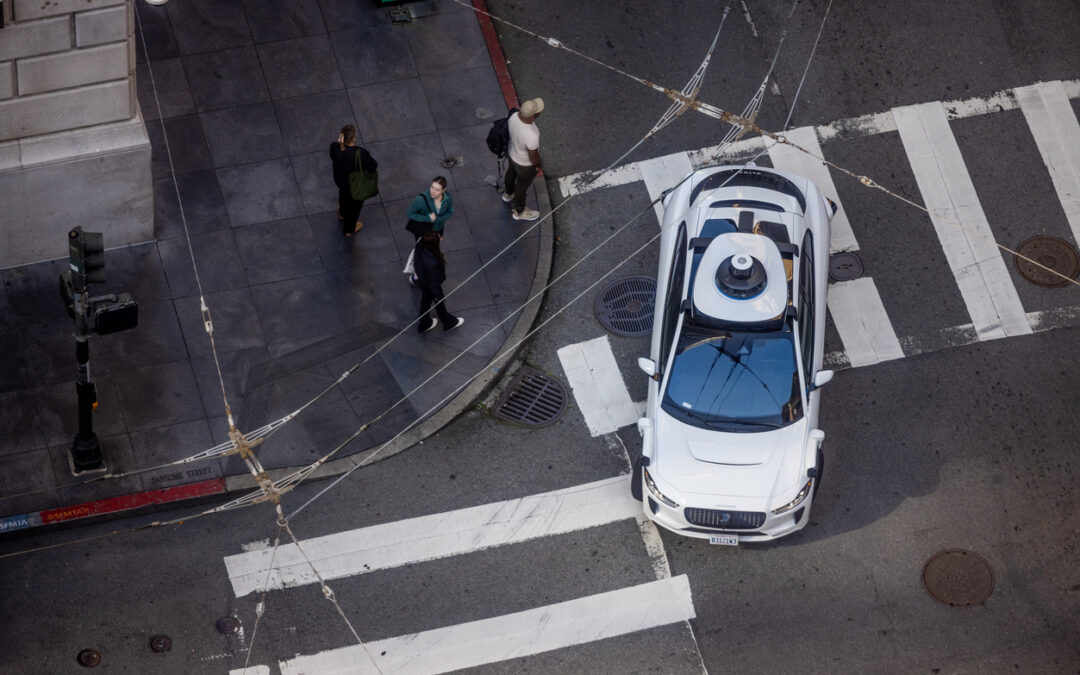
Waymo in Nashville: What to Do After an Accident When Waymo Is Responsible
As autonomous vehicles become more common across the United States, companies like Waymo are reshaping how people think about transportation. While self-driving technology promises convenience and innovation, accidents involving autonomous vehicles can raise serious legal and safety concerns. If Waymo expands or operates in Nashville and you are injured in a crash involving one of its vehicles, understanding your rights is critical.
At Queener Law, you deserve to know how to protect yourself after an accident involving autonomous technology—and what steps to take when Waymo may be responsible.
Understanding Waymo and Autonomous Vehicles
Waymo, a subsidiary of Alphabet (Google’s parent company), operates self-driving vehicles using advanced systems that include:
LiDAR sensors
Radar systems
Cameras
Artificial intelligence software
Real-time mapping technology
These vehicles are designed to detect obstacles, obey traffic laws, and transport passengers with minimal or no human intervention. However, no technology is flawless, and autonomous systems can fail in ways that put drivers, passengers, pedestrians, and cyclists at risk.
Can Waymo Vehicles Cause Accidents?
Yes. Although autonomous vehicles are built to reduce human error, crashes can still happen. Common causes of Waymo-related accidents may include:
Software Malfunctions
Programming errors or delayed system responses may cause unsafe driving decisions.
Sensor or Detection Failures
If cameras, radar, or LiDAR systems fail to identify nearby vehicles, pedestrians, or road hazards, collisions can occur.
Mapping or Navigation Errors
Incorrect or outdated digital maps may cause sudden stops, unsafe turns, or route confusion.
Mechanical or Maintenance Problems
Brake failures, tire defects, or neglected maintenance can lead to dangerous situations.
Human Safety Driver Negligence
If a human operator is required to monitor the vehicle and fails to intervene, liability may still apply.
What to Do Immediately After a Waymo Accident in Nashville
If you are involved in an accident where a Waymo vehicle may be at fault, taking the right steps can protect both your health and your legal claim.
1. Call 911
Report the accident immediately and request police assistance. An official accident report can be crucial evidence.
2. Seek Medical Attention
Even if injuries seem minor, some conditions may worsen over time. Medical records also support your injury claim.
3. Document the Scene
Take photos or videos of:
Vehicle damage
Road conditions
Traffic signs
Visible injuries
License plates or identifying marks on the Waymo vehicle
4. Gather Witness Information
Collect names and contact details from anyone who saw the crash.
5. Preserve Digital Evidence
If You were a passenger, save ride receipts, app screenshots, timestamps, and communication records.
6. Avoid Giving Statements to Corporate Representatives
Waymo’s insurance team or legal representatives may contact You quickly. Avoid discussing fault until You speak with an attorney.
Who Can Be Liable in a Waymo Accident?
Determining fault in autonomous vehicle crashes can be complex. Potentially responsible parties may include:
Waymo (for software defects or operational failures)
Vehicle manufacturers
Maintenance providers
Third-party software developers
Human safety drivers
Other negligent drivers
Because self-driving accident cases often involve technology, corporate policies, and multiple insurance carriers, investigations can be far more complicated than traditional car crashes.
Tennessee Law and Comparative Fault
Tennessee follows a modified comparative fault system. This means you may recover compensation as long as you are less than 50% at fault for the accident. However, your compensation may be reduced based on your percentage of fault.
Insurance companies may attempt to shift blame to reduce payouts, especially in high-value technology-related claims. That makes legal representation especially important.
Challenges When Dealing With Waymo or Large Corporate Insurers
Autonomous vehicle companies often have substantial legal resources. Victims may face:
Disputed liability
Complex technical evidence
Data access issues
Aggressive insurance negotiations
Delays in settlement
An experienced attorney can help secure vehicle data, investigate software failures, and hold powerful companies accountable.
Why Hiring Queener Law Matters
At Queener Law, you need advocates who understand both Tennessee personal injury law and the evolving legal landscape surrounding autonomous vehicles. Our team can help:
Investigate the crash thoroughly
Preserve critical evidence
Identify liable parties
Handle insurance negotiations
Pursue maximum compensation for medical bills, lost wages, pain and suffering, and future damages
Contact Queener Law Today
If you or a loved one has been injured in a Nashville accident involving a Waymo vehicle, do not face the legal process alone. Autonomous vehicle claims can be complex, but you have rights.
Contact Queener Law today for a free consultation and learn how you can pursue justice when cutting-edge technology causes real-world harm.
Your safety matters. Your recovery matters. And accountability matters.
Big Truck Safety: What Every Driver Needs to Know — and Why Experience Matters After a Crash
Every day, thousands of commercial trucks travel our highways delivering the goods that keep our economy moving. While these vehicles are essential, they also present unique safety risks. Due to their size, weight, and limited maneuverability, collisions involving large trucks often result in severe injuries and life-altering consequences.
Understanding how to safely share the road with commercial trucks can help prevent accidents. And when crashes do occur, having a law firm experienced in national trucking laws can make all the difference.
Understanding the Dangers of Large Trucks
A fully loaded tractor-trailer can weigh up to 80,000 pounds — significantly more than the average passenger vehicle. This size difference creates several hazards:
1. Large Blind Spots (“No-Zones”)
Commercial trucks have substantial blind spots on all four sides:
Directly in front of the cab
Directly behind the trailer
Along both sides, especially the right side
If you cannot see the truck driver in their side mirror, they likely cannot see you. Lingering in these blind spots increases the risk of a sideswipe or merging collision.
2. Longer Stopping Distances
Trucks require much more distance to stop than passenger vehicles. Cutting closely in front of a truck can leave the driver with little time or space to brake safely.
3. Wide Turns
Tractor-trailers often swing wide to the left before turning right. Drivers who attempt to squeeze into the open space may become trapped or crushed.
4. Driver Fatigue & Regulatory Violations
While federal regulations limit how long truck drivers can operate without rest, violations still occur. Fatigue, distracted driving, improper maintenance, and overloaded trailers all contribute to serious crashes.
Safety Tips for Sharing the Road
To reduce your risk:
Avoid driving in a truck’s blind spots.
Pass quickly and safely — don’t linger beside the trailer.
Maintain a safe following distance.
Never cut directly in front of a truck.
Anticipate wide turns at intersections.
Stay alert and minimize distractions.
Even when you take every precaution, however, you cannot control the actions of a negligent trucking company or driver.
Why Truck Accident Cases Are Different
Truck accident cases are far more complex than typical car crashes. They often involve:
Federal Motor Carrier Safety Administration (FMCSA) regulations
Hours-of-service log requirements
Electronic logging devices (ELDs)
Maintenance and inspection records
Black box data
Corporate trucking companies and insurers
Multiple potentially liable parties
These cases require in-depth knowledge of national trucking laws and regulations — not just general personal injury experience.
Queener Law: Experienced in National Trucking Laws
At Queener Law, truck accident litigation is not just another case type — it is an area of focused experience.
Our team understands the federal and state regulations governing commercial motor carriers. We know how to:
Investigate trucking company compliance
Preserve and analyze critical evidence
Identify violations of FMCSA safety standards
Hold negligent drivers and trucking companies accountable
Navigate complex multi-party liability claims
Trucking companies and their insurers move quickly after a crash to protect their interests. You deserve a legal team that moves just as quickly — and understands the regulatory framework inside and out.
Protecting Your Rights After a Truck Crash
If you or a loved one has been injured in a big truck accident, the stakes are high. Medical expenses, lost wages, long-term rehabilitation, and emotional trauma can be overwhelming.
You do not have to face it alone.
Queener Law is committed to protecting injury victims and pursuing the full compensation they deserve. With experience in national trucking laws and complex commercial vehicle litigation, our firm stands ready to advocate for you.
If you’ve been injured in a big truck wreck, contact Queener Law today to discuss your case and learn how we can help you move forward with strength and confidence.
FQA’S
FAQ 1: What should I do after a truck accident? Seek medical attention immediately, report the accident, avoid speaking to the trucking company’s insurer, and contact an experienced truck accident attorney.
FAQ 2: Are truck accident cases different from car accidents? Yes. Truck accident cases involve federal trucking regulations, multiple liable parties, and complex evidence such as driver logs and black box data.
FAQ 3: What are FMCSA regulations? The Federal Motor Carrier Safety Administration (FMCSA) sets national safety rules governing commercial trucking operations, driver hours, maintenance, and cargo limits.
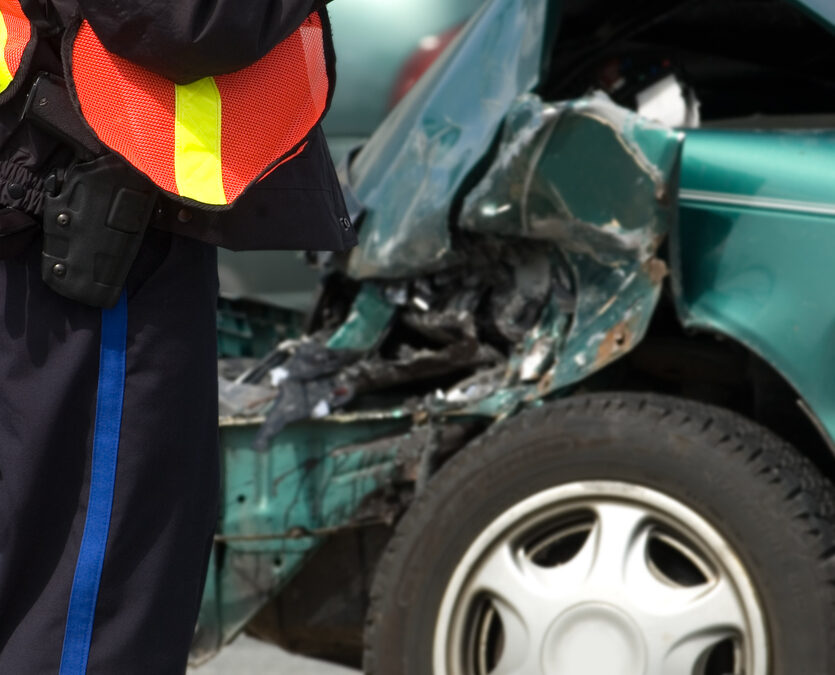
After a car wreck, calling the police and filing an official report are among the first and most important steps you can take. The police report documents key information — who was involved, what happened, and who the officer believes was at fault.
Insurance companies often rely heavily on these reports when determining liability and compensation. But here’s the problem: police reports aren’t always accurate.
At Queener Law, we’ve helped countless clients across Tennessee and Kentucky uncover errors in their police reports and correct the record. Even if the report lists you as being at fault, you may still have a valid case.
Below are the three most common mistakes we see in police reports after car wrecks — and how our attorneys can help you fix them.
1. Delays in Getting the Police Report
It’s common to face delays when trying to obtain your report after a crash. Depending on where the wreck occurred — in Nashville, Knoxville, Lexington, Somerset or anywhere across Tennessee or Kentucky — the process can take weeks as reports move through various agencies and review systems.
Serious wrecks involving major injuries or fatalities may take even longer to finalize. These delays can create challenges for victims who need documentation to start insurance claims or legal cases.
Queener Law helps clients navigate the process and track down their reports quickly, ensuring you have the documentation you need to move your case forward.
2. The Report May Assign Fault Incorrectly
When police respond to a crash, their focus is on clearing the scene and restoring traffic flow, not performing a full accident reconstruction. If you were badly hurt and couldn’t provide your side of the story, the report may rely mostly on what the other driver said — which can lead to serious errors.
Unfortunately, these errors can lead the report to state that you were at fault, even if you weren’t.
At Queener Law, our Tennessee and Kentucky car accident lawyers go beyond the police report. We gather:
Traffic camera and dashcam footage
Black box or electronic data
Cell phone records
Witness statements
Vehicle damage analysis
This deeper investigation often reveals critical details that prove the report was wrong — and that you deserve justice.
3. Missing or Incomplete Evidence in the Report
Police officers work under tight time and resource constraints. Their goal is to keep the public safe and get roads cleared, not to capture every piece of evidence for a personal injury case.
That means vital information — such as skid marks, debris patterns, or additional witnesses — may never make it into the report. Surveillance footage or photos from nearby businesses could disappear within days if not secured quickly.
The Queener Law legal team has the tools and experience to uncover what’s missing. We work with:
Private investigators to locate witnesses
Accident reconstruction experts to analyze impact points
Forensic specialists to collect data from vehicles and the scene
Using this evidence, we can build a complete and accurate picture of how your crash truly occurred — even if the police report left key details out.
Don’t Let Police Report Errors Damage Your Case
A mistake on your police report does not mean you caused the wreck — and it certainly doesn’t mean you’re out of options.
At Queener Law, we’ve helped clients across Tennessee and Kentucky challenge inaccurate reports, uncover hidden evidence, and pursue the compensation they deserve for medical bills, lost wages, and pain and suffering.
Our attorneys understand how stressful it is to be injured and misunderstood. That’s why we dig deeper — to make sure your truth is told and your rights are protected.
Get Help from a Car Wreck Attorney in Tennessee or Kentucky
If you were hurt in a car wreck and believe your police report contains mistakes, don’t wait to take action. Evidence can disappear quickly — and the sooner you call, the stronger your case will be.
Contact Queener Law today for a free consultation. We’ll review your report, investigate the facts, and fight for the justice and compensation you deserve.
📞 Call Queener Law — proudly serving clients across Tennessee and Kentucky.
Top Questions People Ask After an Accident When Hiring a Lawyer
If you’ve been injured in a wreck, the days after the accident can feel overwhelming. Medical bills start piling up, insurance adjusters are calling, and you’re trying to figure out what steps to take next. One of the first questions people ask is whether they should hire a lawyer—and that decision often comes with a long list of concerns.
At Queener Law, we know how confusing this process can be. Below are the most common questions injured people ask when they’re considering hiring a personal injury lawyer, along with answers to help you feel informed and confident about your next steps.
1. Do I Really Need a Lawyer After a Car Accident?
Many people wonder if they can handle the insurance claim on their own. The truth is: Insurance companies profit by paying you as little as possible. Without an attorney, you’re at a major disadvantage. A lawyer protects your rights, fights for full compensation, and prevents the insurance company from taking advantage of you.
2. How Much Does It Cost to Hire an Injury Lawyer?
Most injury victims are surprised to learn that: You pay nothing upfront. At Queener Law, we work on a contingency fee, meaning we don’t get paid unless we win your case. Your consultation is also completely free.
3. How Much Is My Case Worth?
Every case is unique, but compensation may include:
Medical bills
Lost wages
Pain and suffering
Permanent injury
Future medical treatment
Property damage
Loss of enjoyment of life
A lawyer evaluates the full impact of your injuries—not just the immediate bills.
4. How Long Will My Case Take?
Some cases settle quickly, while others take months or longer depending on:
Severity of injuries
Length of medical treatment
Insurance company delays
Whether a lawsuit becomes necessary
Your lawyer keeps the case moving and ensures deadlines are met.
5. What If I Was Partially at Fault?
Even if you were partially to blame, you may still recover compensation. Tennessee and Kentucky both allow injured victims to recover as long as they are not more responsible than the other party. Let our team evaluate the facts before you assume you don’t have a case.
6. Should I Talk to the Insurance Adjuster?
Insurance adjusters often ask for recorded statements. Do not give one without speaking to a lawyer. Anything you say can be used to reduce your claim—even innocent comments.
7. What if I Already Accepted a Quick Settlement Offer?
Quick checks come with significant risks. If you settle too early, you may not know:
The full extent of your injuries
What future treatment will cost
What you’re required to repay from your settlement
Once you sign, you cannot go back for more money. If you haven’t signed anything yet, talk to a lawyer immediately.
8. How Do Medical Bills Get Paid?
Most people don’t realize their health insurance, Medicare, Medicaid, or medical providers may have rights to be paid back from your settlement. Your lawyer handles all lien negotiations so the money goes where it should—in your pocket.
9. Will Hiring a Lawyer Make the Insurance Company Angry?
No. It simply forces them to treat you fairly. Without a lawyer, insurance companies know they can delay, deny, or lowball your claim. With an attorney, they know they can’t get away with it.
10. Will My Case Go to Court?
Most cases settle outside of court, but your lawyer prepares for trial from day one. At Queener Law, we build every case as if it will be presented to a jury—because that’s what gets real results.
11. What Do I Need to Bring to My First Meeting?
Just bring what you have:
Crash report
Photos of your injuries or the scene
Medical records or bills
Insurance information
Any communication from the insurance company
Don’t worry if you don’t have everything—your legal team will gather the rest.
Why Choosing the Right Lawyer Matters
Your lawyer is your voice, your protector, and your advocate. At Queener Law, we don’t just file paperwork—we hire the biomechanical experts, medical specialists, and accident reconstructionists needed to fight for every dollar you deserve.
Because when the insurance company is working against you, you need a team working for you.
Need Answers? We’re Here to Help.
If you or a loved one has been injured in a wreck, you shouldn’t have to navigate this process alone.
Why You Should Never Settle an Injury Case Without Legal Advice
When you’re injured, overwhelmed with medical bills, or missing work, a quick settlement offer from the insurance company may feel like the relief you need. But settling an injury case without legal advice is one of the biggest mistakes an accident victim can make.
Insurance companies push fast, cheap settlements because it protects their profits, not your future. Once you sign, your case is over—no matter what complications arise later.
Before you agree to anything, speak with a personal injury attorney at Queener Law. Our team protects your rights, your compensation, and your future.
Why Insurance Companies Want You to Settle Without a Lawyer
Insurance adjusters know that unrepresented victims rarely know the true value of their claims. That’s why they often rush in with a “take it now” offer before you’ve seen specialists, before your symptoms develop, and before you understand the long-term impact of your injuries.
At Queener Law, we know every tactic used to lowball victims—and we stop those tactics immediately.
Injury Cases Are More Complicated Than They Look
Even cases that seem “simple”—like rear-end crashes or slip-and-falls—often involve complicated liability issues. In Tennessee and Kentucky,comparative fault rules can reduce or even eliminate your compensation if the insurance company convinces investigators you were partly at fault.
Liability can depend on:
Third-party negligence
Defective equipment
Commercial vehicle rules
Property maintenance standards
Employer responsibility
Queener Law performs independent investigations, collects evidence, and locates every responsible party—so insurance companies can’t twist the story.
Why Calculating Damages Requires Legal Expertise
Your damages are much more than your ER bill. Long-term injuries can affect your ability to work, your quality of life, your mental health, and your financial stability.
Queener Law works with:
Medical specialists
Vocational experts
Economic and financial analysts
Life-care planners
This team ensures your demand reflects the true long-term cost of your injuries—not the “quick check” the insurance company hopes you’ll accept.
Why Settling Too Early Can Cost You for Life
Some injuries—such as nerve damage, soft-tissue injuries, concussions, and PTSD—don’t reveal their full impact immediately. If you settle early, you give up the right to seek additional compensation later.
Once you sign a release of liability, even if your injury worsens… ❌ You cannot reopen your claim ❌ You cannot request additional medical coverage ❌ You cannot pursue the insurance company again
This is the trap insurance companies rely on most.
Why Hiring a Lawyer Costs You Nothing Upfront
Many victims fear they “can’t afford a lawyer.” But at Queener Law, you pay: $0 upfront — and $0 unless we win.
This is called a contingency fee, and it ensures your attorney is fully aligned with your success.
Research shows that injury victims represented by attorneys recover significantly higher settlements, even after legal fees.
Learn more about how we work on our About Us page.
When Mediation or Trial Becomes Necessary
If the insurance company refuses to offer fair compensation, Queener Law is prepared to take your case to mediation or trial. Our litigation team’s involvement alone often forces insurers to increase their offers.
Common Settlement Traps to Avoid
Insurance companies often pressure victims into:
Giving recorded statements
Signing documents they don’t understand
Delaying treatment (so they can argue you weren’t hurt)
Posting on social media (and using it against you)
Accepting fault in casual conversations
Your lawyer shields you from every one of these traps.
Protect Your Future Before You Make a Permanent Decision
An injury affects your health, your family, your finances, and your long-term stability. Settling early may give temporary relief—but it can cause lifelong financial stress.
Before you sign anything, get the legal guidance you deserve.
Don’t Settle for Less Than Your Future Is Worth
Insurance companies move fast to protect their profits. At Queener Law, we move faster to protect
Unrecognizable man with broken arm filling form for insurance