
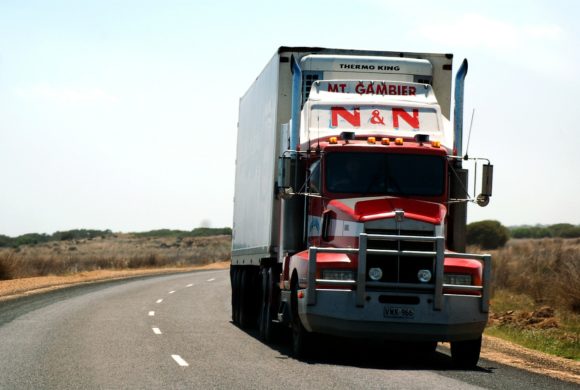
Big Truck Safety: What Every Driver Needs to Know — and Why Experience Matters After a Crash
Every day, thousands of commercial trucks travel our highways delivering the goods that keep our economy moving. While these vehicles are essential, they also present unique safety risks. Due to their size, weight, and limited maneuverability, collisions involving large trucks often result in severe injuries and life-altering consequences.
Understanding how to safely share the road with commercial trucks can help prevent accidents. And when crashes do occur, having a law firm experienced in national trucking laws can make all the difference.
Understanding the Dangers of Large Trucks
A fully loaded tractor-trailer can weigh up to 80,000 pounds — significantly more than the average passenger vehicle. This size difference creates several hazards:
1. Large Blind Spots (“No-Zones”)
Commercial trucks have substantial blind spots on all four sides:
-
Directly in front of the cab
-
Directly behind the trailer
-
Along both sides, especially the right side
If you cannot see the truck driver in their side mirror, they likely cannot see you. Lingering in these blind spots increases the risk of a sideswipe or merging collision.
2. Longer Stopping Distances
Trucks require much more distance to stop than passenger vehicles. Cutting closely in front of a truck can leave the driver with little time or space to brake safely.
3. Wide Turns
Tractor-trailers often swing wide to the left before turning right. Drivers who attempt to squeeze into the open space may become trapped or crushed.
4. Driver Fatigue & Regulatory Violations
While federal regulations limit how long truck drivers can operate without rest, violations still occur. Fatigue, distracted driving, improper maintenance, and overloaded trailers all contribute to serious crashes.
Safety Tips for Sharing the Road
To reduce your risk:
-
Avoid driving in a truck’s blind spots.
-
Pass quickly and safely — don’t linger beside the trailer.
-
Maintain a safe following distance.
-
Never cut directly in front of a truck.
-
Anticipate wide turns at intersections.
-
Stay alert and minimize distractions.
Even when you take every precaution, however, you cannot control the actions of a negligent trucking company or driver.
Why Truck Accident Cases Are Different
Truck accident cases are far more complex than typical car crashes. They often involve:
-
Federal Motor Carrier Safety Administration (FMCSA) regulations
-
Hours-of-service log requirements
-
Electronic logging devices (ELDs)
-
Maintenance and inspection records
-
Black box data
-
Corporate trucking companies and insurers
-
Multiple potentially liable parties
These cases require in-depth knowledge of national trucking laws and regulations — not just general personal injury experience.
Queener Law: Experienced in National Trucking Laws
At Queener Law, truck accident litigation is not just another case type — it is an area of focused experience.
Our team understands the federal and state regulations governing commercial motor carriers. We know how to:
-
Investigate trucking company compliance
-
Preserve and analyze critical evidence
-
Identify violations of FMCSA safety standards
-
Hold negligent drivers and trucking companies accountable
-
Navigate complex multi-party liability claims
Trucking companies and their insurers move quickly after a crash to protect their interests. You deserve a legal team that moves just as quickly — and understands the regulatory framework inside and out.
Protecting Your Rights After a Truck Crash
If you or a loved one has been injured in a big truck accident, the stakes are high. Medical expenses, lost wages, long-term rehabilitation, and emotional trauma can be overwhelming.
You do not have to face it alone.
Queener Law is committed to protecting injury victims and pursuing the full compensation they deserve. With experience in national trucking laws and complex commercial vehicle litigation, our firm stands ready to advocate for you.
If you’ve been injured in a big truck wreck, contact Queener Law today to discuss your case and learn how we can help you move forward with strength and confidence.
FQA’S
FAQ 1:
What should I do after a truck accident?
Seek medical attention immediately, report the accident, avoid speaking to the trucking company’s insurer, and contact an experienced truck accident attorney.
FAQ 2:
Are truck accident cases different from car accidents?
Yes. Truck accident cases involve federal trucking regulations, multiple liable parties, and complex evidence such as driver logs and black box data.
FAQ 3:
What are FMCSA regulations?
The Federal Motor Carrier Safety Administration (FMCSA) sets national safety rules governing commercial trucking operations, driver hours, maintenance, and cargo limits.