by Amy Foster | Aug 24, 2026 | Tennessee
Revenge Porn and Non-Consensual Image Sharing: What You Need to Know
Your Private Images Are Yours. Unauthorized Sharing Can Have Serious Consequences.
Few things are more personal than an intimate photograph or video. When someone shares that material without your permission, the consequences can be overwhelming.
Non-consensual sharing of intimate images is commonly referred to as “revenge porn.” A broader and increasingly common term is image-based abuse, which recognizes that this conduct can occur for many reasons and is not limited to former romantic partners.
If someone has shared, threatened to share, or distributed intimate images of you without your consent, you may have legal options.
Queener Law helps individuals understand their rights and evaluate potential legal remedies involving unauthorized intimate images, online harassment, privacy violations, and related conduct.
What Is Image-Based Abuse?
Image-based abuse occurs when someone distributes or threatens to distribute an intimate image or video of another person without that person’s authorization.
The circumstances can vary widely. A former partner may post private photographs after a breakup. Someone may use intimate images as a means of harassment, intimidation, or control. A person may obtain an image through unauthorized access and distribute it online. Increasingly, technology can also be used to create manipulated or artificial images that falsely portray someone in a sexual situation.
Regardless of how it happens, the consequences can be significant.
Unauthorized intimate images can quickly spread through social media, websites, messaging applications, and other digital platforms. Once an image has been copied and redistributed, controlling where it appears can become extremely difficult.
Victims may experience:
- Emotional distress
- Anxiety or depression
- Damage to personal relationships
- Damage to professional reputation
- Lost income or employment opportunities
- Harassment or threats
- Financial losses
- Fear for personal safety
- Ongoing concern that the images will continue to resurface
You should not have to face these consequences alone.
You Did Not Consent to the Distribution
One of the most important distinctions in these cases is the difference between consenting to create or privately share an image and consenting to its distribution.
You may have willingly taken an intimate photograph or video and sent it to someone you trusted.
That does not necessarily mean you authorized that person to share the material with other people or publish it online.
The circumstances surrounding how an image was created or obtained can be important, but the unauthorized distribution itself may give rise to legal remedies depending on the facts and applicable law.
What Should You Do If Someone Shares Your Private Images?
Discovering that intimate images have been shared without your permission can be frightening and confusing. Taking practical steps quickly may help preserve evidence and protect your legal interests.
1. Preserve Evidence
Before contacting the person responsible, preserve as much information as possible.
Take screenshots of:
- The images or videos
- Websites where the material appears
- Social media posts
- Usernames and profile information
- Messages and threats
- URLs and website addresses
- Dates and timestamps
- Communications with the person responsible
Do not assume that online content will remain available. Posts can be deleted, accounts can disappear, and websites can change.
2. Report the Unauthorized Content
Most major websites and social media platforms have procedures for reporting intimate content shared without permission.
Keep copies of any reports you submit and any responses you receive.
3. Avoid Further Distribution
When preserving evidence, be careful not to unnecessarily forward or repost intimate material. Preserve only what is reasonably necessary to document what happened and discuss the evidence with appropriate professionals.
4. Consider Contacting Law Enforcement
Depending on the circumstances, you may wish to report the conduct to law enforcement, particularly if the situation involves threats, stalking, harassment, extortion, domestic violence, or concerns for your physical safety.
5. Speak With an Attorney
A lawyer can review the specific circumstances and help determine what state and federal laws may apply to your situation.
6. Document Your Damages
Keep records of counseling, medical treatment, lost income, relocation expenses, travel, and other costs associated with the incident.
Documentation may become important if you pursue a civil claim.
Can You Get Unauthorized Images Removed?
In many cases, pursuing removal of unauthorized content should be an immediate priority.
Depending on where the material appears and the circumstances involved, potential strategies may include:
- Reporting the content directly to the website or platform
- Sending formal removal requests
- Sending cease-and-desist correspondence
- Requesting removal from social media platforms
- Seeking removal or deindexing from search engines
- Pursuing applicable copyright or DMCA remedies
- Seeking a court order requiring removal or preventing further disclosure
- Identifying individuals or entities responsible for continued distribution
The appropriate strategy depends on the specific facts of the case.
An attorney can help evaluate where the content has appeared, who may be responsible, and which legal avenues may be available.
What If Someone Threatens to Release Your Images?
Sometimes the images have not yet been published.
Instead, someone may threaten to release them unless you comply with a demand, provide money, remain in a relationship, or take some other action.
A threat to distribute intimate images should be taken seriously.
Preserve the messages, emails, social media communications, phone records, and other evidence containing the threat. Avoid deleting communications that could later become important evidence.
If you believe you are in immediate danger, contact law enforcement or emergency services.
An attorney can also help you understand what legal remedies may be available based on the specific circumstances.
AI-Generated Images and Deepfakes Create New Risks
Advances in artificial intelligence have created another form of image-based abuse.
Someone can take an ordinary photograph and use artificial intelligence or other technology to create a realistic-looking image or video that falsely portrays the person in a sexually explicit situation.
These manipulated images are sometimes referred to as deepfakes.
The fact that an image is fabricated does not necessarily make the resulting harm any less serious. A realistic fake image can damage someone’s reputation, relationships, employment, and emotional well-being.
Federal law has also developed in response to the growing problem of unauthorized intimate imagery, including certain digitally manipulated content.
If someone has created, distributed, or threatened to distribute an intimate image involving your likeness, it is important to preserve the evidence and discuss the circumstances with an attorney.
Federal Law May Provide Additional Remedies
Depending on the circumstances, federal law may provide additional avenues for individuals whose intimate images have been disclosed without authorization.
For example, 15 U.S.C. § 6851 provides a federal civil cause of action relating to the disclosure of intimate images.
Federal law and state law may provide different remedies, requirements, and procedures. Whether a particular law applies depends on the facts of the situation.
Because image-based abuse laws continue to evolve alongside technology, an attorney should evaluate your circumstances before you decide what legal action to pursue.
What Compensation May Be Available?
The financial impact of image-based abuse can extend far beyond the initial disclosure.
Depending on the facts and applicable law, potential damages in a civil case may include losses associated with:
- Emotional distress
- Anxiety and depression
- Psychological treatment
- Medical expenses
- Lost wages or income
- Professional harm
- Damage to personal reputation
- Relocation expenses
- Other financial losses
- Other damages recognized under applicable law
In some circumstances, additional forms of damages or injunctive relief may also be available.
Every case is different. The potential value of a claim depends on the evidence, the applicable law, the nature of the conduct, and the harm suffered.
Protecting Your Privacy Matters
Many people hesitate to seek legal help because they are afraid that pursuing a case will bring even more attention to something they desperately want kept private.
Those concerns are understandable.
At Queener Law, we recognize the sensitive nature of image-based abuse cases. Discussing intimate photographs, videos, threats, and online activity can be difficult, and clients deserve to be treated with discretion and respect.
Depending on the circumstances and applicable law, there may be legal mechanisms that can help protect your identity or limit unnecessary public disclosure.
The goal is not simply to address the legal issue. It is also to help you navigate the process with your dignity and privacy in mind.
How Queener Law Can Help
Revenge porn and non-consensual image sharing can involve privacy concerns, rapidly changing technology, online platforms, state law, federal law, and potentially overlapping civil and criminal matters.
At Queener Law, we can help you understand the legal issues surrounding your situation and evaluate the options available to you.
Depending on the circumstances, those options may include pursuing removal of unauthorized content, seeking court-ordered relief, investigating responsible parties, pursuing available civil claims, and addressing the financial and emotional harm caused by the unauthorized disclosure.
In addition, the new Federal Take It Down Act allows us to compel websites to remove all non-authorized intimate visual depictions, even those altered by artificial intelligence.
We understand that no two cases are exactly alike.
Our approach begins with listening to what happened and understanding what you need before determining the appropriate legal strategy.
Contact Queener Law Today
If someone has shared your private images or videos without your permission, you may have legal options. Queener Law can help you understand your rights, explore available removal options, and determine whether legal action may be appropriate. Contact our attorneys to discuss your situation confidentially.
by Amy Foster | Aug 19, 2026 | Uncategorized
How Your Credit Score Can Affect Car Insurance Rates—and How to Protect Yourself From Underinsured Drivers
For many drivers, the cost of car insurance is becoming a major part of the household budget. Some people may not realize that their credit history can affect what they pay for auto insurance.
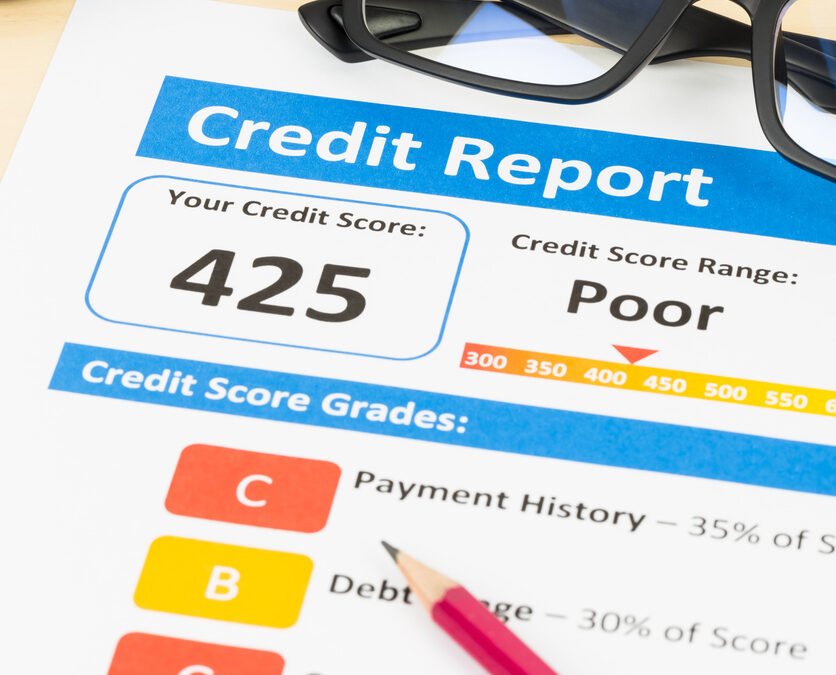
In Kentucky, insurers may use credit-based insurance information as one factor in underwriting and rating automobile insurance. A credit-based insurance score is different from the traditional credit score used by lenders, but it is based in part on information contained in your credit history.
That matters because when insurance becomes more expensive, some drivers may respond by purchasing lower coverage limits or eliminating optional protections simply because they cannot afford a more comprehensive policy.
Unfortunately, that can leave drivers financially vulnerable when they are involved in a serious car wreck—particularly when the person who caused the crash does not have enough insurance to cover the resulting damages.
How Does Your Credit Score Affect Your Car Insurance?
A credit-based insurance score helps insurers evaluate the likelihood of future insurance losses. It is not the same thing as the traditional credit score a bank might use when deciding whether to approve a loan.
According to the National Association of Insurance Commissioners (NAIC), insurance companies may consider factors such as payment history, outstanding debt, length of credit history, new credit and credit mix when developing a credit-based insurance score. Insurers also consider many other factors, including driving history, claims history, location, vehicle type, mileage and the coverage and deductibles you select.
In Kentucky, insurance risk scores are permitted, although Kentucky law prohibits an auto insurer from refusing to issue, renew, or cancel a policy solely because of a person’s credit history.
As a result, two drivers with similar vehicles and driving records can receive different insurance quotes.
Why Higher Insurance Rates Can Create a Bigger Problem
The concern is not simply that one driver pays more than another.
For families already struggling with rising costs, higher insurance premiums can force difficult decisions.
A driver may choose:
- Lower bodily injury liability limits
- A higher deductible
- Less optional coverage
- Lower uninsured or underinsured motorist limits
- Fewer vehicles or drivers insured under the policy
- Or, in extreme situations, allow coverage to lapse
The NAIC recognizes that choosing lower coverage or higher deductibles can reduce premiums, but those choices also mean the policyholder is accepting more financial risk.
That creates a troubling cycle: the more expensive insurance becomes, the more tempting it can be to purchase only the minimum coverage necessary to legally drive.
And Kentucky’s minimum liability requirements may not be enough to fully compensate someone who suffers serious injuries.
Kentucky’s Minimum Auto Insurance May Not Be Enough
Kentucky law generally requires minimum liability coverage of $25,000 per person, $50,000 per accident for bodily injury, and $25,000 for property damage, commonly called 25/50/25 coverage. Kentucky also permits a $60,000 single-limit policy.
While those limits may satisfy Kentucky’s legal requirements, they can be quickly exhausted after a serious collision.
Consider what can happen after a major wreck.
You could have:
- Emergency medical treatment
- Hospital bills
- Follow-up appointments
- Physical therapy
- Prescription expenses
- Lost wages
- Future medical treatment
- Permanent injuries
- Reduced ability to work
- Pain and suffering
- Property damage
A $25,000 liability limit can disappear quickly when medical treatment is extensive.
Another problem is that the at-fault driver’s insurance limits are generally the maximum amount the driver’s insurance company will pay under that liability coverage.
What happens when your damages are worth significantly more than the insurance available from the person who caused the wreck?
That is where your own insurance coverage can become extremely important.
Protect Yourself From Underinsured Drivers
One of the most important protections you can discuss with your insurance agent is underinsured motorist coverage, commonly called UIM coverage.
Underinsured motorist coverage can provide protection when another driver is responsible for your injuries but does not have enough liability insurance to fully compensate you.
Kentucky law provides for underinsured motorist coverage and requires insurers to make UIM coverage available to insureds upon request, subject to the policy’s terms and conditions.
For example, imagine that you are seriously injured in a collision caused by another driver.
The other driver has only $25,000 in bodily injury coverage, but your damages are substantially greater than that amount.
Without adequate additional protection, you may face a significant gap between the value of your claim and the insurance money available from the at-fault driver.
Your own UIM coverage may help protect you from that gap, depending on the specific language and limits of your policy.
Uninsured Motorist Coverage Matters Too
Underinsured drivers are not the only concern.
Some drivers may have no insurance at all, even though Kentucky law requires motorists to maintain the required minimum insurance coverage.
Uninsured motorist coverage can provide another layer of protection when the at-fault driver does not have applicable liability insurance.
When reviewing your policy, it is important to understand both uninsured motorist (UM) and underinsured motorist (UIM) coverage and the limits you actually carry.
Do not assume that having “full coverage” automatically means you have enough protection.
“Full coverage” is not a precise legal term that tells you how much liability, uninsured motorist, underinsured motorist, medical or other coverage you actually have.
Your declarations page matters more than the phrase “full coverage.”
How Much Insurance Should You Carry?
No single amount of coverage is right for every driver.
Your insurance needs may depend on factors such as your income, assets, vehicle, family situation, medical needs, driving habits, and the amount of financial risk you are willing and able to assume.
However, one important question is:
If another driver seriously injured you tomorrow, would your current insurance policy provide meaningful protection if that driver had little or no insurance?
That is a question worth asking before a wreck—not after one.
When talking with your insurance agent, consider asking:
- What are my bodily injury liability limits?
- What are my uninsured motorist limits?
- What are my underinsured motorist limits?
- Can I increase my UIM coverage?
- Do my UM/UIM limits provide the protection I think they do?
- What deductibles do I have?
- What coverage am I giving up to save money?
- Does my policy have any exclusions or limitations I should understand?
A few minutes reviewing your policy could make a significant difference if you are ever seriously injured.
Check Your Credit Report for Errors
If your insurer uses credit-based insurance information, errors in your credit report could potentially affect your insurance rating.
The NAIC recommends reviewing your credit reports and disputing inaccurate information. Consumers can obtain their credit reports through AnnualCreditReport.com.
You can also ask your insurance company whether credit-based insurance information was used when determining your premium and what options may be available if your credit circumstances change.
Some insurers may reconsider premiums after certain extraordinary circumstances, although the availability of such programs depends on the insurer and applicable state law.
Don’t Let the Cost of Insurance Leave You Unprotected
Everyone wants to save money on car insurance. That is understandable.
But the cheapest policy isn’t necessarily the one that provides the best protection.
Reducing your premium by lowering coverage may save money today, but it could leave you responsible for substantial losses after a serious wreck.
This is especially important when you consider how many drivers may carry only the minimum insurance required by law.
You cannot control how much insurance the other driver carries. But you can take steps to protect yourself from the financial consequences of an uninsured or underinsured driver.
Review your policy. Know your limits. Ask about UM and UIM coverage. And make sure you understand what you are actually paying for.
What If You Have Already Been Injured by an Underinsured Driver?
If you have been injured in a car wreck, do not assume that the other driver’s insurance policy is the end of the story.
There may be additional insurance coverage available under your own policy or other applicable policies, depending on the circumstances of the collision and the language of the insurance contracts involved.
Kentucky law also has specific rules about settlements with an underinsured motorist and preserving potential UIM claims. For example, Kentucky law provides procedures for notifying the underinsured motorist insurer before certain settlements are finalized.
Because insurance coverage issues can become complicated quickly, it is important to understand your rights before signing a release or accepting a settlement.
Queener Law Can Help After a Kentucky Car Wreck
At Queener Law, we understand that dealing with insurance companies after a car wreck can be overwhelming—especially when you are injured and trying to determine whether there is enough insurance coverage to compensate you for your losses.
If you have been injured because of another driver’s negligence, our team can investigate the crash, identify the available insurance coverage, and help you understand your legal options.
Don’t assume the first insurance offer is all you are entitled to receive.
If you or a loved one has been injured in a car wreck in Kentucky, contact Queener Law Injury Law for a consultation.
Queener Law Injury Law
Your Injury. Your Rights. Your Fight.

by Amy Foster | Oct 28, 2025 | Auto Accident, Bicycle Accident, Brain Injury, Kentucky, Motorcycle Accident, Pedestrian Accident, Personal Injury, Trucking Accident
Recovering Lost Wages After a Car Wreck in Kentucky
When you’re hurt in a crash, the bills don’t stop — and neither do your daily responsibilities. Missing work because of your injuries can quickly turn a stressful situation into a financial crisis.
At Queener Law, we help Kentucky crash victims recover every dollar they’ve lost — including the paychecks they missed while healing.
Here’s what you need to know about recovering lost wages after an auto accident in Kentucky.
What Counts as Lost Wages?
“Lost wages” refers to any income you miss out on because of your injuries. This can include:
-
The pay you would’ve earned if you hadn’t been hurt
-
Overtime, bonuses, or commissions you typically receive
-
Self-employment income or contract work that you couldn’t complete
-
Sick or vacation days you had to use during your recovery
-
Future lost earning capacity if your injuries keep you from returning to your previous job or hours
These losses add up quickly — and insurance companies rarely offer to cover them fairly without a fight.
How Kentucky’s No-Fault System Works
Kentucky is a “choice no-fault” state, which means your own auto insurance provides the first layer of protection through Personal Injury Protection (PIP) benefits.
Basic PIP coverage pays up to $10,000 per person for medical bills, lost wages, and other out-of-pocket expenses — regardless of who caused the crash.
Under standard PIP, you may receive 80% of your lost income, up to $200 per week, while you’re unable to work.
However, that often doesn’t come close to covering your real losses. If your injuries meet Kentucky’s “tort threshold” (for example, a broken bone, permanent injury, or over $1,000 in medical expenses), you can step outside the no-fault system and pursue a claim against the at-fault driver for your full damages — including all lost wages and future lost earning potential.
That’s where Queener Law steps in.
Proving Your Lost Wages Claim
Insurance companies often challenge wage loss claims, so documentation is key. Here’s what strengthens your case:
-
Medical Records – Show that your injuries directly caused your missed work time.
-
Doctor’s Note or Work Restrictions – A clear statement from your treating physician helps connect your time off to your injuries.
-
Employer Verification – A letter confirming your position, pay rate, and the time you missed because of the crash.
-
Pay Stubs or W-2s – Proof of your normal earnings, including overtime and bonuses.
-
Tax Returns or Business Records (for self-employed) – Invoices, contracts, or profit-and-loss statements showing your income before and after the accident.
-
Future Loss Documentation – If your injuries impact your long-term career or ability to earn, we work with experts to project your future lost earning capacity.
Queener Law knows how to gather and present this evidence effectively so insurance companies take your claim seriously.
Don’t Wait Too Long to File
Kentucky law gives most crash victims two years from the date of the accident (or from the last PIP payment) to file a lawsuit for lost wages and other damages.
Missing this deadline can permanently bar your claim — even if you have clear proof of your losses. The sooner you contact an attorney, the better we can protect your rights and preserve evidence.
Common Roadblocks — and How We Overcome Them
Insurance companies often try to minimize or deny lost wage claims. You might hear:
-
“You could have gone back to work sooner.”
-
“Your injuries weren’t that serious.”
-
“You didn’t make that much before the wreck.”
At Queener Law, we don’t let them shift the blame or undervalue your recovery. Our team builds a detailed case showing exactly how the crash affected your ability to work — both now and in the future.
We also make sure your PIP benefits are properly applied and that you receive every dollar available under your policy before pursuing the at-fault driver’s insurer.
Why Choose Queener Law
Recovering lost wages after a crash can feel overwhelming — especially while you’re trying to heal. The insurance adjuster has a playbook designed to save them money. We have a different one: the truth.
At Queener Law, we handle all communication, documentation, and negotiation so you can focus on getting better. You’ll never owe us a fee unless we win your case.
We proudly help clients throughout Kentucky and Tennessee understand their rights and recover what they’re truly owed after someone else’s negligence turns their life upside down.
If you’ve missed work because of a Kentucky car wreck, don’t leave money on the table.
Call Queener Law today for a free consultation — and let us fight to recover your lost wages and get your life back on track.